
A new method for the study of symbols
and the archetypal language of tarot
Tarot Reader · Visual Artist · Scholar
Rita Rottelbac, phd

EXPLORE MY SERVICES
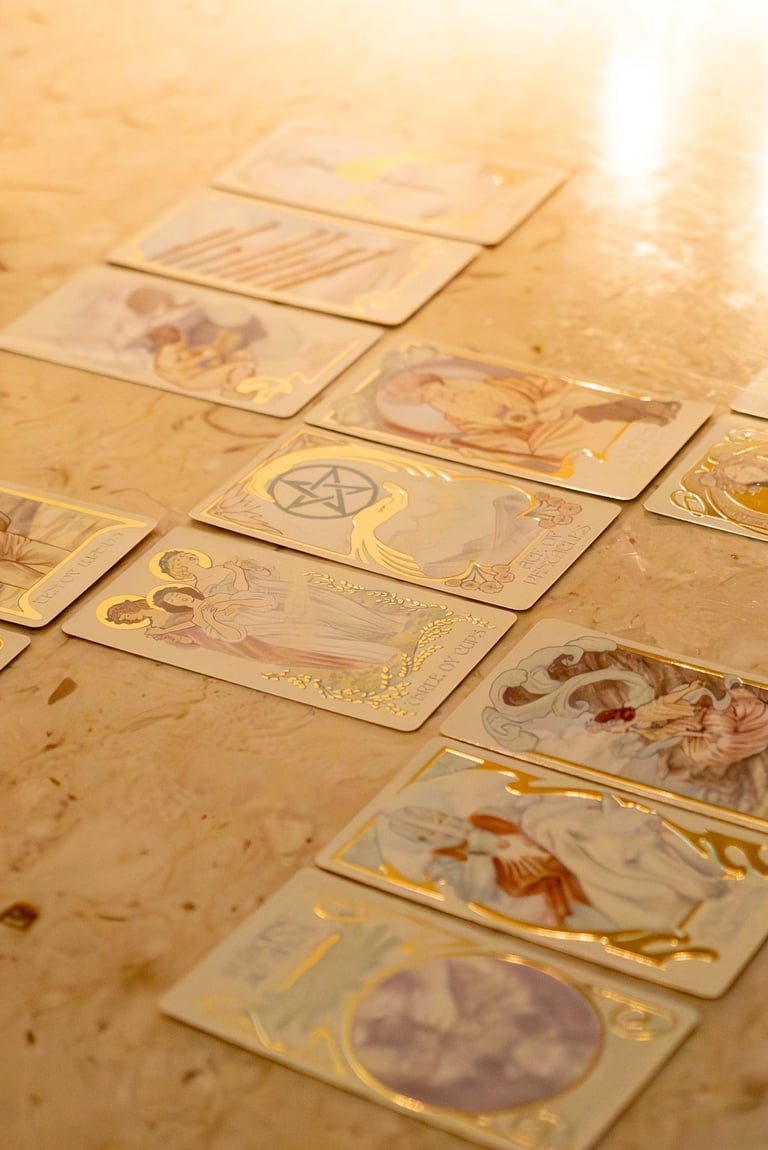
Tarot Sessions
Live and written readings using tarot as a dialogic and archetypal archive
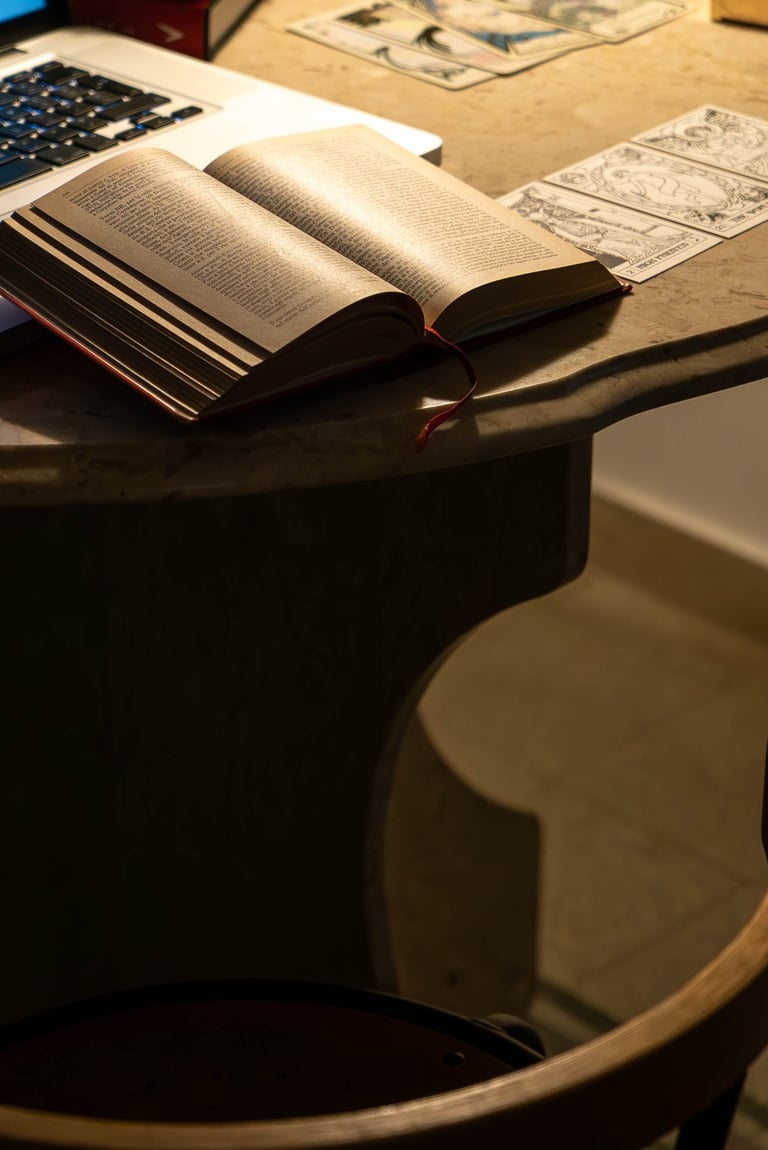
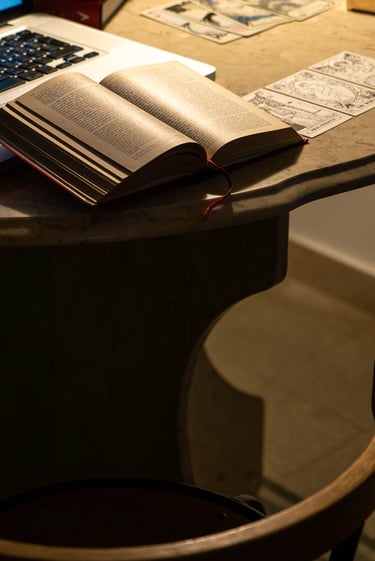


Dialogic Tarot School
A research-driven, experiential learning space exploring Tarot as a living dialogue
Essays & Articles
Writing, research and forthcoming book
TAROT AS DIALOGUE
Dialogic Tarot is not a system of answers. It is a method for working with symbols and archetypes—a living dialogue with your psyche meeting you at the threshold of transformation. Here, the cards are not predictions to decode, but visual–cultural texts — alive, relational, responsive.
Meaning does not precede the encounter—it emerges within it. Each session unfolds as a conversational field: images speak back to the subject, archetypes negotiate with biography and symbols unfold through lived experience.
Tarot here is neither fixed prediction nor blind belief. It is a method of thinking, feeling, and learning with images —where insight is not delivered from above, but co-created through dialogue. When symbols are approached this way, they no longer dictate fate. They reveal where consciousness can enter, illuminating what would otherwise remain in shadow.
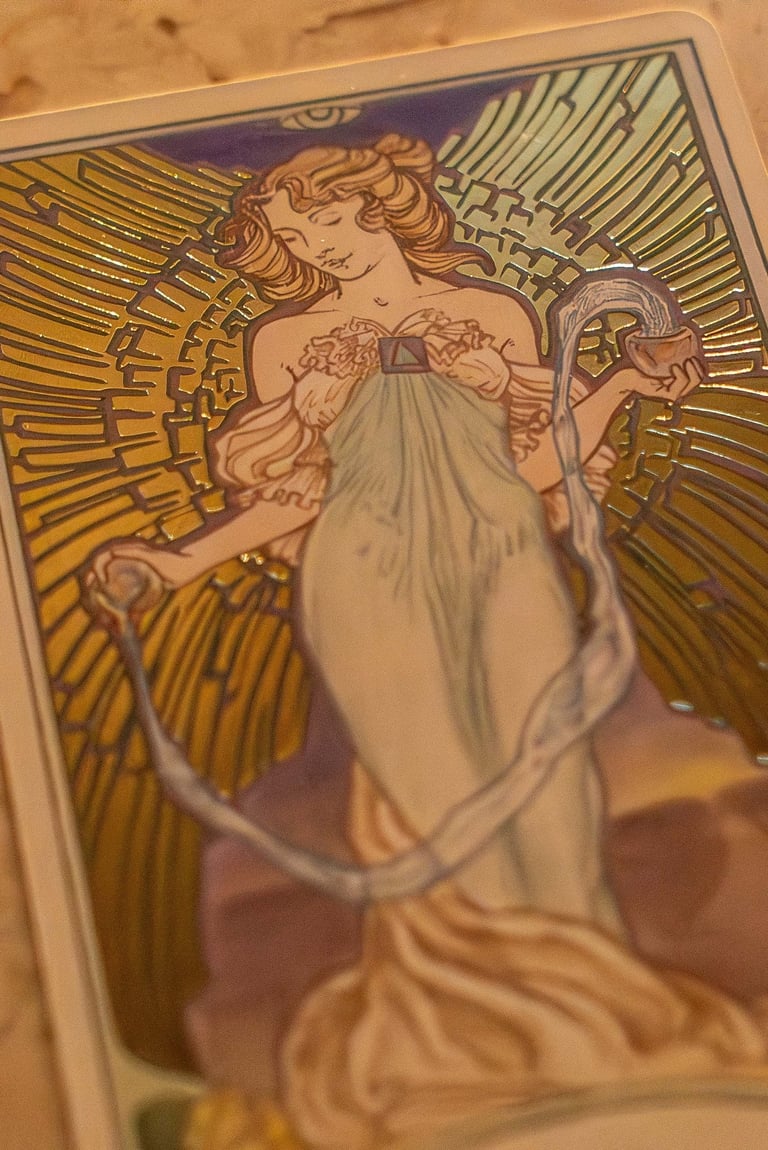
Truth is not born nor established once and for all; it lives in dialogue.
— M. M. Bakhtin.
"
ARCHETYPES, NOT ANSWERS
Dialogic Tarot focuses on archetypal dynamics, not predictive outcomes. Archetypes are approached as:
Recurring patterns of meaning across personal and collective experience
Psychic and cultural forces shaping perception
Lenses through which inner and outer reality become intelligible
Rather than simply asking “What will happen?”, the method asks: “What is at work here?” “Which images, patterns, and expectations are shaping this personal or collective moment?”
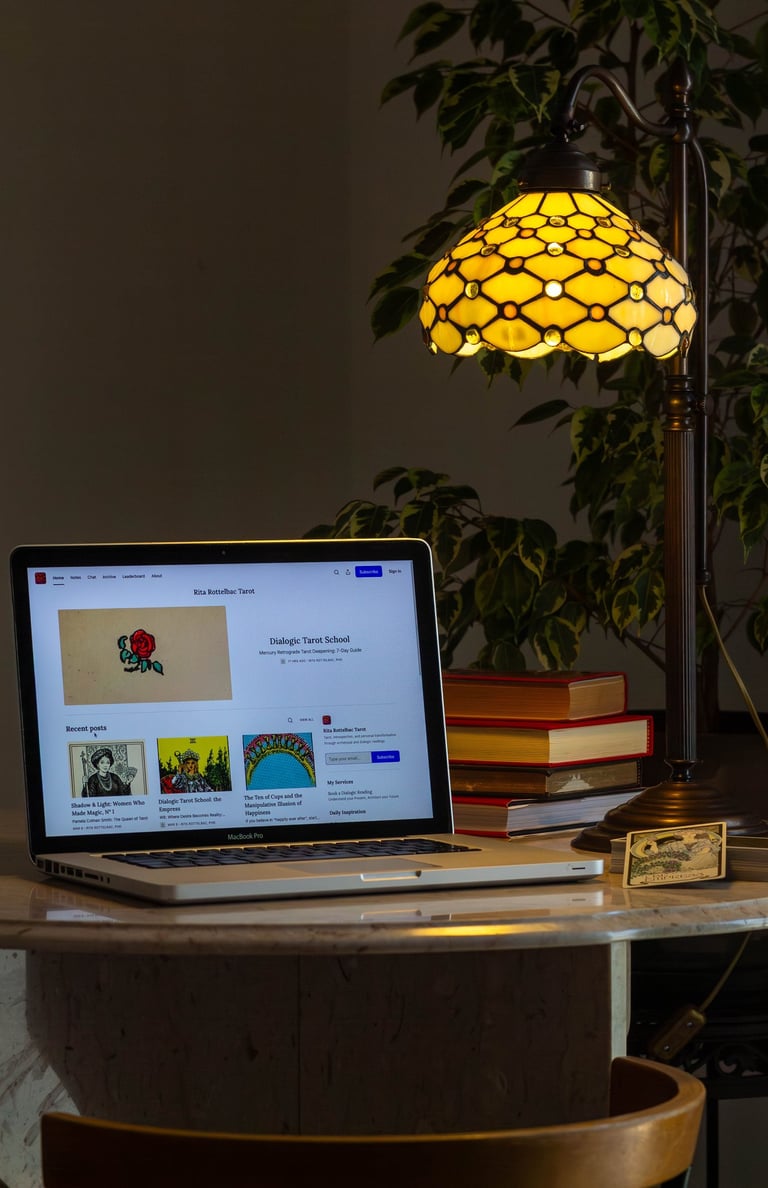


“I came for a reading and left with questions I didn’t know I was asking.
The cards didn’t answer, they conversed.”
— A.S.
“It’s uncanny. The session feels like a mirror and a lens at once. You don’t get predictions; you get frameworks for thought. I felt like I was thinking with the deck.”
— M.C.
“I was skeptical at first. I left with a new sense of how symbols and narrative intersect.
This is not entertainment—it’s serious interpretive work.”
— J.L.
DIALOGIC ENCOUNTERS
Selected Reflections
CONTACTS
ritarottelbac@dialogictarot.com
SUBSCRIBE TO OUR NEWSLETTER
Rita Rottelbac, phd
Tarot Reader · Visual Artist · Scholar
SITE
LEGAL
RESOURCES
Publications
Your contribution helps sustain the research,
writings, and creative explorations that keep
this project alive.
© 2026 Rita Rottelbac | All rights reserved.
All content is for educational and artistic purposes. Tarot readings are symbolic guidance, not legal or medical advice.
SUPPORT THE PROJECT